
Friday, September 14, 2018

Thursday, September 13, 2018
Stereoscope At Our Relic Home
The Relic Home has one of these and a few dozen slides.
It is one of the visiting children's favorite relics.
We also have a few dozen slides to view with it.
Come in and try it out.

The following comes from Wikipedea:
A stereoscope is a device for viewing a stereoscopic pair of separate images, depicting left-eye and right-eye views of the same scene, as a single three-dimensional image.
A stereoscope is a device for viewing a stereoscopic pair of separate images, depicting left-eye and right-eye views of the same scene, as a single three-dimensional image.
A typical stereoscope provides each eye with a lens that makes the image seen through it appear larger and more distant and usually also shifts its apparent horizontal position, so that for a person with normal binocular depth perception the edges of the two images seemingly fuse into one "stereo window". In current practice, the images are prepared so that the scene appears to be beyond this virtual window, through which objects are sometimes allowed to protrude, but this was not always the custom. A divider or other view-limiting feature is usually provided to prevent each eye from being distracted by also seeing the image intended for the other eye.
Most people can, with practice and some effort, view stereoscopic image pairs in 3D without the aid of a stereoscope, but the physiological depth cues resulting from the unnatural combination of eye convergence and focus required will be unlike those experienced when actually viewing the scene in reality, making an accurate simulation of the natural viewing experience impossible and tending to cause eye strain and fatigue.
Although more recent devices such as Realist-format 3D slide viewers and the View-Master are also stereoscopes, the word is now most commonly associated with viewers designed for the standard-format stereo cards that enjoyed several waves of popularity from the 1850s to the 1930s as a home entertainment medium.
Devices such as polarized, anaglyph and shutter glasses which are used to view two actually superimposed or intermingled images, rather than two physically separate images, are not categorized as stereoscopes.
Wednesday, September 12, 2018
Piss Poor ~~~ Submitted by Tudy Barentsen Standlee

Where did “piss poor” come from ?
Us older people need
to learn something new every day..
Just to keep the
grey matter tuned up.
Where did "Piss Poor" come from?
Interesting
History.
grey matter tuned up.
Where did "Piss Poor" come from?
Interesting
History.
They used to use
urine to tan animal skins, so families used to all pee in a pot
urine to tan animal skins, so families used to all pee in a pot
And then once a day
it was taken and sold to the tannery...
it was taken and sold to the tannery...
if you had to do
this to survive you were "Piss Poor".
But worse than that were the really
poor folk who couldn't even afford to buy a pot...
this to survive you were "Piss Poor".
But worse than that were the really
poor folk who couldn't even afford to buy a pot...
They "didn't have a
pot to piss in" and were the lowest of the low.
pot to piss in" and were the lowest of the low.
The next time you
are washing your hands and complain because the water
temperature
are washing your hands and complain because the water
temperature
Isn't just how you
like it, think about how things used to be.
Here are some facts about
the 1500s
Most people got married in June because they took their yearly
bath in May,
like it, think about how things used to be.
Here are some facts about
the 1500s
Most people got married in June because they took their yearly
bath in May,
And they still
smelled pretty good by June. However, since they were starting to smell,
Brides carried a bouquet of flowers to hide the body odor.
Hence the
custom today of carrying a bouquet when getting married.
Baths consisted
of a big tub filled with hot water.
smelled pretty good by June. However, since they were starting to smell,
Brides carried a bouquet of flowers to hide the body odor.
Hence the
custom today of carrying a bouquet when getting married.
Baths consisted
of a big tub filled with hot water.
The man of the house
had the privilege of the nice clean water,
had the privilege of the nice clean water,
Then all the other
sons and men, then the women and finally the children.
sons and men, then the women and finally the children.
Last of all the
babies.
babies.
By then the water
was so dirty you could actually lose someone in it.
was so dirty you could actually lose someone in it.
Hence the saying,
"Don't throw the baby out with the Bath water!"
Houses had thatched
roofs-thick straw-piled high, with no wood underneath.
"Don't throw the baby out with the Bath water!"
Houses had thatched
roofs-thick straw-piled high, with no wood underneath.
It was the only
place for animals to get warm, so all the cats and other small
animals
place for animals to get warm, so all the cats and other small
animals
(mice, bugs) lived
in the roof.
When it rained it
became slippery and sometimes the animals would slip and fall off the roof.
Hence the saying, "It's raining cats and dogs."
There was nothing
to stop things from falling into the house.
became slippery and sometimes the animals would slip and fall off the roof.
Hence the saying, "It's raining cats and dogs."
There was nothing
to stop things from falling into the house.
This posed a real
problem in the bedroom where bugs and other droppings
problem in the bedroom where bugs and other droppings
Could mess up your
nice clean bed.
nice clean bed.
Hence, a bed with
big posts and a sheet hung over the top afforded some
protection.
big posts and a sheet hung over the top afforded some
protection.
That's how canopy
beds came into existence.
The floor was dirt. Only the wealthy had
something other than dirt.
beds came into existence.
The floor was dirt. Only the wealthy had
something other than dirt.
Hence the saying,
"Dirt poor." The wealthy had slate floors that would get
slippery
"Dirt poor." The wealthy had slate floors that would get
slippery
In the winter when
wet, so they spread thresh (straw) on floor to help keep their
footing.
wet, so they spread thresh (straw) on floor to help keep their
footing.
As the winter wore
on, they added more thresh until, when you opened the door,
on, they added more thresh until, when you opened the door,
It would all start
slipping outside. A piece of wood was placed in the entrance-way.
Hence: a
thresh hold.
(Getting quite an education, aren't you?)
In those
old days, they cooked in the kitchen with a big kettle that always hung over the
fire.
slipping outside. A piece of wood was placed in the entrance-way.
Hence: a
thresh hold.
(Getting quite an education, aren't you?)
In those
old days, they cooked in the kitchen with a big kettle that always hung over the
fire.
Every day they lit
the fire and added things to the pot. They ate mostly vegetables
the fire and added things to the pot. They ate mostly vegetables
And did not get much
meat. They would eat the stew for dinner, leaving leftovers
meat. They would eat the stew for dinner, leaving leftovers
In the pot to get
cold overnight and then start over the next day.
cold overnight and then start over the next day.
Sometimes stew had
food in it that had been there for quite a while.
food in it that had been there for quite a while.
Hence the
rhyme:
rhyme:
peas porridge cold, peas porridge in the pot nine days old”.
Sometimes they
could obtain pork, which made them feel quite special.
When visitors came
over, they would hang up their bacon to show off.
over, they would hang up their bacon to show off.
It was a sign of
wealth that a man could, "bring home the bacon."
wealth that a man could, "bring home the bacon."
They would cut off a
little to share with guests
little to share with guests
And would all sit
around and chew the fat.
Those with money had plates made of
pewter.
around and chew the fat.
Those with money had plates made of
pewter.
Food with high acid
content caused some of the lead to leach onto the food,
content caused some of the lead to leach onto the food,
causing lead
poisoning death. This happened most often with tomatoes,
poisoning death. This happened most often with tomatoes,
so for the next 400
years or so, tomatoes were considered poisonous.
Bread was divided
according to status.
years or so, tomatoes were considered poisonous.
Bread was divided
according to status.
Workers got the
burnt bottom of the loaf, the family got the middle,
burnt bottom of the loaf, the family got the middle,
and guests got the
top, or the upper crust.
Lead cups were used to drink ale or
whisky.
top, or the upper crust.
Lead cups were used to drink ale or
whisky.
The combination
would sometimes knock the imbibers out for a couple of days.
would sometimes knock the imbibers out for a couple of days.
Someone walking
along the road would take them for dead and prepare them for
burial.
along the road would take them for dead and prepare them for
burial.
They were laid out
on the kitchen table for a couple of days and the family would gather around
on the kitchen table for a couple of days and the family would gather around
and eat and drink
and wait and see if they would wake up.
and wait and see if they would wake up.
Hence the custom;
“of holding a wake”.
England is old and small and the local folks started
running out of places to bury people.
“of holding a wake”.
England is old and small and the local folks started
running out of places to bury people.
So they would dig up
coffins and would take the bones to a bone-house, and reuse the
grave.
coffins and would take the bones to a bone-house, and reuse the
grave.
When reopening these
coffins, 1 out of 25 coffins were found to have scratch marks
coffins, 1 out of 25 coffins were found to have scratch marks
on the inside and
they realized they had been burying people alive.
they realized they had been burying people alive.
So they would tie a
string on the wrist of the corpse, lead it through the coffin
string on the wrist of the corpse, lead it through the coffin
and up through the
ground and tie it to a bell.
Someone would have to sit out in the graveyard
all night (the graveyard shift.)
ground and tie it to a bell.
Someone would have to sit out in the graveyard
all night (the graveyard shift.)
to listen for the
bell; thus, someone could be,
bell; thus, someone could be,
“saved by the bell”
or was “considered a dead ringer”.
And that's the truth.
or was “considered a dead ringer”.
And that's the truth.
Now, whoever said
History was boring!!!
So get out there and educate someone!
~~~
History was boring!!!
So get out there and educate someone!
~~~
Share these facts
with a friend.
Inside every older person is a younger person
wondering,
with a friend.
Inside every older person is a younger person
wondering,
'What the heck
happened?'
We'll be friends until we are old and senile.
happened?'
We'll be friends until we are old and senile.
Then we'll be new
friends.
“Smile”,
it gives your face
something to do!
friends.
“Smile”,
it gives your face
something to do!
Tuesday, September 11, 2018

Sunday, September 9, 2018


Saturday, September 8, 2018
New Salt Lake City Airport

|
|
|

|
|

|
|
|


|
|
Friday, September 7, 2018
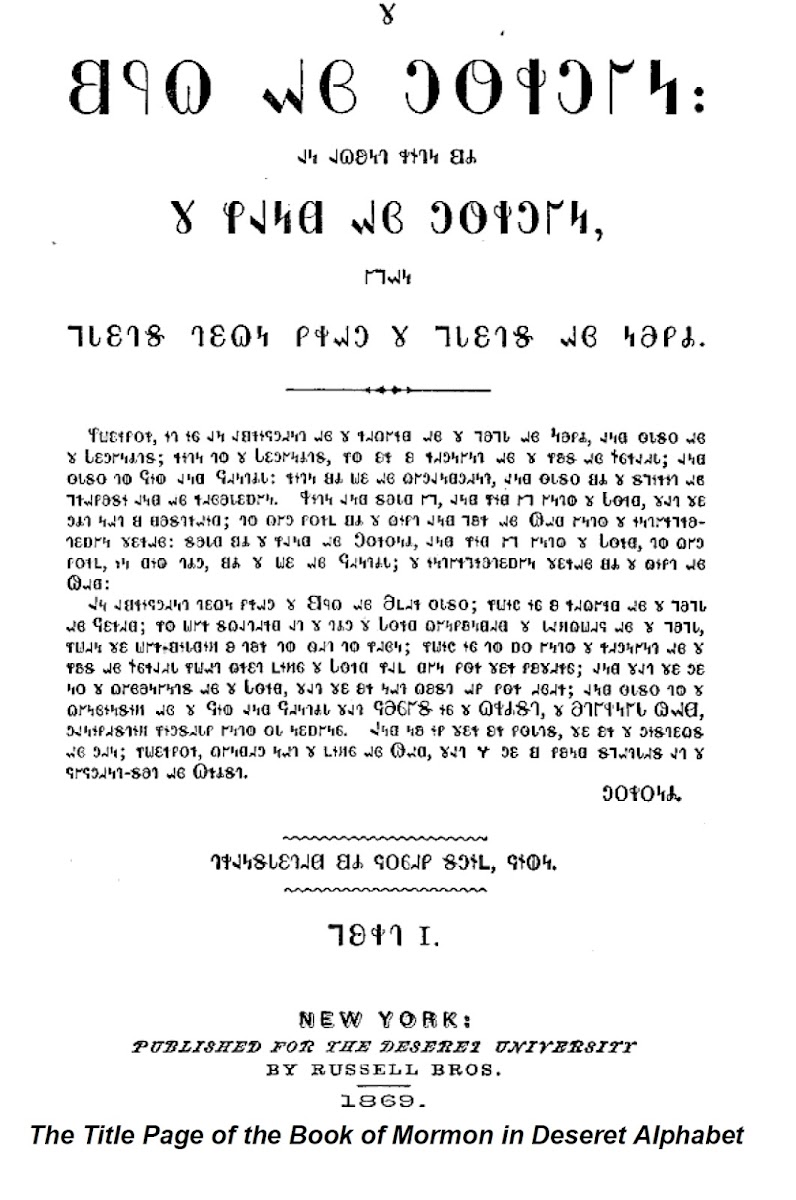
The Deseret Alphabet ~~~ Taken from Journey of Faith by David R. Gunderson
With permission of David R. Gunderson, we include the following book to our blog. I will do a few increments at a time, as I have done with the Andrew Madsen and James Monsen histories. I will also paste the pages over to David's own blog page: http://davidrgunderson.blogspot.com/
This book will be of interest to not only the Gunderson Family but also to the Brotherson, Ericksen, Peel, Madsen, Larsen and more.


Thursday, September 6, 2018
Clifford LeRoy Menzies Served On The Battleship US Iowa ~~~~ Submitted by Les Seely
 |
| Clifford LeRoy Menzies |

Wednesday, September 5, 2018

Tuesday, September 4, 2018


Monday, September 3, 2018
Sunday, September 2, 2018

Saturday, September 1, 2018


Subscribe to:
Posts (Atom)