Son of Isaac Phipps and Mary Eleanor Dean
Lettie Phipps Peterson wrote this life story date unknown. Additional stories were added from a document called, A1979 remembrances by Lettie Phipps Peterson recorded for her son, Wayne.@
[During his life, he went by Isaac Newton Phipps, Jr. because the Smith family had told him he was named after his father. After further research it has been determined that his father did not carry the middle name A Newton, therefore, he should not be referred to as Jr. Since this life story was written without this knowledge, we are leaving the Jr. and Sr. in this version. His birthdate was also found to be 24 May 1845, but he did not know this, so always celebrated on June 18th. His siblings were Sarah Jane, Lemmon Washington, William Harrison, and Enoch Ferman.]
Isaac Newton Phipps, Jr., son of Isaac Newton Phipps, Sr. and Mary Eleanor Dean, was born June 18, 1845, in Slippery Rock, Butler County, Pennsylvania.
He came to Utah when a very small boy with Uncle and Aunt Smith (Joseph and Abigail Smith) reared him after the death of his mother. They came to Salt Lake City and settled in West Jordan. Later they moved to the Dixie Country and resided in a small settlement called Sappi.
They moved to Mt. Pleasant, Utah in 1864. Isaac was one of eight children the Smiths reared B, not of their own. Opal Scoville=s great grandmother, Sarah Clark, was one of them.
Isaac was three years old when his mother died; his brother Enoch was six weeks old. Enoch was given to Uncle and Aunt Smith, but he died in infancy.
One day Isaacs's father brought Isaac to the Smith home and left him in the yard, kissed him, and told him to be a good boy. Never again did Isaac see or hear from his father.
Isaac had two brothers and one sister older than him. The brothers were George Harrison and Lamuel Washington; the sister was Sarah. After moving to Mt. Pleasant, he went away to various places for employment. He returned and was married to Emeline Maria Tidwell on December 24, 1875, by David Candland. Later he went to the Endowment House and was sealed to Emeline. They also had their three oldest children sealed to them at that time. They were Louisa Jane, Mary Eleanor, and Charity Rosalia. Later five other children were born.
When Isaac went to the temple for sealings, he was instructed to take his own name and establish it. Instead of Smith, it was Phipps. After that, he went by both names B Isaac Smith and Isaac Phipps. (In later years Isaac and Emeline received their second anointings in the Manti Temple.)
Isaac was baptized at the age of 8 years, in 1853. He was religious and held the gospel very dear to him. His greatest desire was to live the gospel and have his family do likewise. He wanted them to be religious and to have faith in the gospel. He bore his testimony of its truthfulness often to his children at home. Just a few days before he died, he said, if I could leave my family either wealthy or with a testimony of the gospel, I would leave them a testimony of the gospel. He was active in the church and attended sacrament and priesthood meetings regularly. He was a High Priest and a ward teacher for many years and was a full tithe payer.
When I was a little girl my father would tell me stories while I scratched his head and combed his hair after he had gone to bed. He would do his chores early in the evening and have his supper and go to bed to read. He got up in the morning really early so he was tired.
He told me about a little bird that saved his life when he was a boy. He was plowing for a man and had gone around the field several times. When he came to some bushes he stopped to let the horses rest and he lay down under a bush to rest, too. A little bird came and lit on the bush above his head and then flew and lit on the toe of his shoe and then back on the bush above his head. The bird did this three or four times. The last time he didn=t light on his toe but on the ground by his feet. Father raised up to see where the bird had gone and there was a large rattlesnake all curled up and ready to strike him. Father lay down quickly and rolled out into the plowed ground away from the snake to where he was safe. The little bird saved his life.
When Father was about nine or ten years old he got lost and didn't know which way to go to find his home. He was up in the hills where there were a lot of cedar trees. This was when they were living in Southern Utah. Quite a few Indians were living there and the white people were afraid of them. While Father was up in the hills an Indian came by and Father hid among the cedars until he passed by. When the Indian got a ways off, Father would call out and the Indian would come back. Then father would hide again so the Indian would ride away. This happened two or three times. Father was afraid of the Indian and he was afraid to let him go because he was lost. The last time the Indian came back Father let him see him and told the Indian that he was lost. The Indian put Father on his horse with him and took Father where he could see the town where he lived. This Indian was good and Father was glad he came by and showed him how to go home.
After Isaac and Emeline were married, they moved to Vermillion, which was later named Venice. It was located east of Richfield, Utah. There Louisa Jane, their first child, was born. About one year later they made a trip to Mt. Pleasant to visit Emeline=s parents and the Smiths B John and Jane Tidwell and Joseph and Abigail Smith. After much consideration at that time, they decided to sell their place in Vermillion and move to Mt. Pleasant. Isaac took up a homestead of 160 acres of land half-mile south of the city cemetery on the south side of town and built a log cabin on it. They lived in the cabin while he built a large frame house. There they resided the rest of their lives and the other children were born: Mary Eleanor, Charity Rosalia, Sarah Abbie, Lettie, Isaac Leslie, Leo Raymond, and a baby girl who died at birth.
During the first few years, Isaac raised sheep and cattle. He later sold the sheep and most of the cattle and the land (all but 30 acres). Then he went away from home and found employment for awhile. On returning home, he put part of his farm in fruit trees and small berries B strawberries, raspberries, currants, blackberries, gooseberries, etc. He also raised watermelons, cantaloupes, and many different kinds of fruits and vegetables for the market. He was a successful farmer and a good horticulturist for his day. He also raised some grain, had milk cows and other farm animals. At one time he had a beautiful team of horses and a buggy horse which was the pride of the family. Her name was Bess.
On Sundays crowds of people would come out to the farm to buy fruit and melons. That was a part of their recreation in those days. Ella can remember when we could go out and pick strawberries by moonlight. The berries were large, and the father had the plants in perfect rows. For years he never had to take his produce to market because people would come to the farm to get it. The farm was made into a pretty place, a happy home; and it remained so for years until after father=s death.
The children remember the happy days they spent on the farm and also the work they had to do in helping both on the farm and in the house. I remember the large threshing machine and the big horses that went around and around while the wheat came rolling out of the side of the machine and filled the large sacks. Mother would cook big dinners for the men who ran the thresher. It was a holiday for us children. It wasn=t all work on the farm; there were times for play too.
Father put up a large swing and a merry-go-round for the children. Large crowds of young people would come out from town to swing and eat watermelons. They could see Moroni when they swang as high as the swing could go. (This was Ella=s comment).
When the younger children were in their teens, father bought a hammock and a large lawn swing which the family enjoyed, as did many others. Andrew courted me in the hammock by the light of the moon and in the evening breeze. While clearing part of the land of sagebrush, the younger children would pile up the brush and at night have large bonfires. They would roast potatoes and play outside games by the light of the fire. As soon as the young people in town would see the fire, they would hurry out to join in the fun.
There were nine ranch families who lived neighbors to the Phipps family: Hyrum Branstead, Chris Rassmussen, Arnold Bigler, Jerome Zabriskie, Arthur Averett, Jacob Bigler, Oscar Barton, John Zabriskie, and Willie Winkler. We would have parties and would get together for suppers and then spend the evening playing games.
There was one family that was special friends to the Phipps family. They were the members of the Jacob Bigler family. They had the same number of children in their family as we had in ours and all of us were good friends all their lives.
Isaac learned to play the violin when a boy. He used a violin he made from a gourd until he was a young man and bought himself a violin. He played for many dances which were held in the homes, as well as for other small gatherings for many years.
Father bore his testimony many times of the truthfulness of the gospel and the power of the priesthood to his family. He told of an experience he had once when he was rounding up his cattle west of his home (where the airport is now). While riding fast the saddle turned on his horse, throwing him among the rocks, hitting his head a blow, and breaking three ribs. He said his spirit left his body and went home. He saw Mother raking leaves on the west side of the house as it was the fall of the year. He saw a personage and asked what this was all about. He said your spirit has left your body.@ He could see his body lying on the ground. His thoughts were, AWhat will Mother and the children do?@ He said when his spirit entered his body it was like two trains coming together and every inch of his body tingled with pain especially his head. Some way he managed to drag himself as far as the cemetery where he met a man who took him home. They immediately wanted to send for a doctor, but father said, ANo, just sends for grandfather Tidwell.@ (John Tidwell, Sr. my mother=s father.) They did as he requested; and when John Tidwell gave him a blessing and administered to him, he almost immediately felt his ribs go into place, and within a few days, he was back to work again. John H. Tidwell had great faith and loved the Lord and my father had great faith, too. When he recovered, he related the incident to Mother and asked her if she was raking leaves at the time of his accident. She recalled that she was.
Another time the power of the priesthood was manifested in our home. Rosalia Phipps Tripp (Delmer=s mother) was ill with brights disease when she was about 14 years old. The doctor came out every day and did what he could for her, but nothing seemed to help her. So he quit coming. One day she got much worse and looked as if she would pass away. Father went for the doctor who refused to come out because he said he had done all he could for her. When father came home he said to mother, all the help we can get will come from the Lord.@ I can remember all of the children kneeling down by her bedside while father and mother placed their hands on her head and blessed her. Immediately after taking their hands from her head, she raised up in bed and said, AI am well. I feel like getting up and doing mother=s work.@ In a few days, she was up and well again.
Father died November 27, 1911, and was buried in the Mt. Pleasant City Cemetery. Mother continued to live on the farm and carry on the work until the time of her death February 20, 1926.
</p></div></story-viewer></artifact-viewers><praise-bar class="story-view" style="box-sizing: border-box; display: inline-block; margin-top: 20px; padding: 0px 50px; width: 799.993px;"><div class="praise-bar-wrapper" style="align-items: center; border-bottom: 1px solid rgb(204, 204, 204); border-top: 1px solid rgb(204, 204, 204); box-sizing: border-box; display: flex; flex-wrap: wrap; justify-content: center; padding: 10px; width: 700.007px;"><div class="view-count" style="margin: 5px 15px;" title="Views by others"> </div></div><div class="fs-dialog__mask" data-no-inert="" style="background: rgba(51, 51, 49, 0.8); inset: 0px; opacity: 0; pointer-events: none; position: fixed; transition: opacity 0.3s ease 0s, visibility 0s linear 0.3s; visibility: hidden;" tabindex="-1"></div><fs-modal-dialog aria-hidden="true" id="likedByModal" role="dialog" style="background-attachment: initial; background-clip: initial; background-image: initial; background-origin: initial; background-position: initial; background-repeat: initial; background-size: initial; border-radius: var(--fs-border-radius, 4px); display: flex; filter: drop-shadow(rgba(0, 0, 0, 0.5) 0px 0px 7px); flex-direction: column; left: 709.904px; max-height: 100vh; max-width: 545px; min-width: 500px; opacity: 0; outline: none; pointer-events: none; position: fixed; top: 352.18px; transform: translate(-50%, -50%) scale(0.7); transition: opacity 0.3s ease 0s, visibility 0s linear 0.3s, transform 0.3s ease 0s; visibility: hidden; width: fit-content;" tabindex="-1" transition="from-bottom"><header style="border-radius: var(--fs-border-radius, 4px) var(--fs-border-radius, 4px) 0 0; flex-shrink: 0; padding: 15px 4rem 10px 15px; position: relative;"><div class="liked-by-header" style="align-items: center; display: flex; padding-top: 5px;"><svg height="20" width="21" xmlns="http://www.w3.org/2000/svg"><path d="M10.5 20c-1.2-1.216-4.175-4.24-6.288-6.475C1.054 10.185-.124 7.61.01 4.343.095 2.255 1.623 0 3.941 0l.17.004c3.52.169 6.018 3.928 6.29 4.356l.098.152.099-.152C10.87 3.932 13.375.173 16.89.004L17.058 0c2.32 0 3.847 2.255 3.932 4.343.134 3.268-1.044 5.842-4.202 9.183-1.994 2.11-4.779 4.945-6.261 6.447L10.5 20z" fill-rule="nonzero" fill="#E04F4A"></path></svg><span class="liked-by-title" style="font-family: museo, serif; font-size: 1.6rem; padding-left: 10px;"></span></div><button aria-label="Close" class="fs-dialog__close" data-dialog-dismiss="" data-test-close="" style="appearance: none; background-image: none; background-position: 50% 50%; background-repeat: no-repeat; border-color: initial; border-style: none; border-width: initial; box-shadow: transparent 0px 0px 0px; height: 4rem; line-height: 1; opacity: 1; padding: 0px; position: absolute; right: 0px; top: 0px; user-select: none; width: 4rem; z-index: 2;"><svg aria-hidden="true" height="13" preserveaspectratio="xMidYMin" viewbox="0 0 13 13" width="13"><g transform="translate(-1.000000, -1.000000)"><path d="M13 2L2 13M2 2L13 13" stroke-width="2.5" stroke="currentColor"></path></g></svg></button></header><div class="fs-dialog__body" role="main" style="flex-grow: 3; overflow-y: auto; padding: 15px; position: relative; z-index: 1;"></div></fs-modal-dialog></praise-bar> <artifact-comments class="artifact-comments hide-comments-header" is-modal="" style="--fs-card-el-body_-_padding: 0; --fs-card-el-header_-_-moz-border-radius: none; --fs-card-el-header_-_-webkit-border-radius: none; --fs-card-el-header_-_border-bottom: none; --fs-card-el-header_-_border-radius: none; --fs-card-el-header_-_border-top: initial; --fs-card-el-header_-_letter-spacing: normal; --fs-card-el-header_-_padding: 0; box-sizing: border-box; display: inline-block; position: static; width: 799.993px;"><div class="fs-dialog__mask" data-no-inert="" style="background: rgba(51, 51, 49, 0.8); inset: 0px; opacity: 0; pointer-events: none; position: fixed; transition: opacity 0.3s ease 0s, visibility 0s linear 0.3s; visibility: hidden;" tabindex="-1"></div><fs-modal-dialog aria-hidden="true" aria-labelledby="ae_dialog-heading26" data-test="DeleteCommentDialog" id="confirmationDialog" no-close-button="" role="dialog" style="background-attachment: initial; background-clip: initial; background-image: initial; background-origin: initial; background-position: initial; background-repeat: initial; background-size: initial; border-radius: var(--fs-border-radius, 4px); display: flex; filter: drop-shadow(rgba(0, 0, 0, 0.5) 0px 0px 7px); flex-direction: column; left: 709.904px; max-height: 100vh; max-width: 545px; opacity: 0; outline: none; pointer-events: none; position: fixed; top: 352.18px; transform: translate(-50%, -50%) scale(0.7); transition: opacity 0.3s ease 0s, visibility 0s linear 0.3s, transform 0.3s ease 0s; visibility: hidden; width: fit-content;" tabindex="-1"><header style="border-radius: var(--fs-border-radius, 4px) var(--fs-border-radius, 4px) 0 0; flex-shrink: 0; padding: 15px 15px 10px; position: relative;"><h4 id="ae_dialog-heading26" style="color: #4d4d4a; font-family: var(--fs-font-face-heading, Verdana, Ayuthaya, "HanaMinBFont", sans-serif); font-size: 1.286rem; font-weight: 400; letter-spacing: 0.04rem; line-height: 1.625rem; margin: 0px;"></h4></header><div class="fs-dialog__body" role="main" style="flex-grow: 3; overflow-y: auto; padding: 15px; position: relative; z-index: 1;"><p style="font-size: 1rem; line-height: 1.625rem; margin: 0px;"></p></div><footer style="border-radius: 0 0 var(--fs-border-radius, 4px) var(--fs-border-radius, 4px); flex-shrink: 0; padding: 10px 15px; position: relative;"><button class="fs-button fs-button--destructive" data-dialog-dismiss="" data-test="DeleteCommentConfirm" style="appearance: none; background-color: #cc3227; border-color: rgb(194, 48, 37); border-radius: 4px; border-style: solid; border-width: 1px; color: white; cursor: pointer; font-family: Verdana, Ayuthaya, HanaMinBFont, sans-serif; font-size: 1rem; line-height: 1; padding: 0.607rem 1.429rem; position: relative; transition: padding 0.2s ease 0s; user-select: none; vertical-align: middle; white-space: nowrap;"></button><button class="fs-button fs-button--minor" data-dialog-dismiss="" data-test="DeleteCommentCancel" style="appearance: none; border-color: transparent; border-radius: 4px; border-style: solid; border-width: 1px; color: #0060d7; cursor: pointer; font-family: Verdana, Ayuthaya, HanaMinBFont, sans-serif; font-size: 1rem; line-height: 1; padding: 0.607rem 1.429rem; position: relative; transition: padding 0.2s ease 0s; user-select: none; vertical-align: middle; white-space: nowrap;"></button></footer></fs-modal-dialog><fs-card-el hide-footer="" id="card" style="background-attachment: initial; background-clip: initial; background-image: initial; background-origin: initial; background-position: initial; background-repeat: initial; background-size: initial; border-radius: 4px; box-shadow: none; display: block; margin: 20px 55px 40px; position: relative;"><h4 class="header" style="border-bottom: var(--fs-card-el-header_-_border-bottom,1px solid #ccc); border-radius: var(--fs-card-el-header_-_border-radius,4px 4px 0 0); border-top: var(--fs-card-el-header_-_border-top); color: #4d4d4a; font-family: ProximaNova, Verdana, sans-serif; font-size: 0.875rem; font-weight: 400; letter-spacing: var(--fs-card-el-header_-_letter-spacing,1px); line-height: 1.286; margin: 0px; padding: var(--fs-card-el-header_-_padding,10px 15px);"><slot name="header"></slot></h4><div class="body" style="padding: var(--fs-card-el-body_-_padding,15px);"><slot name="body"><div slot="body"><section id="comments-section"></section></div></slot></div></fs-card-el><section id="add-comment-section" style="height: 52px;"><add-comment is-modal="" style="--fs-card-el-header_-_-moz-border-radius: initial; --fs-card-el-header_-_-webkit-border-radius: initial; --fs-card-el-header_-_border-bottom: initial; --fs-card-el-header_-_border-radius: initial; --fs-card-el-header_-_border-top: initial; --fs-card-el-header_-_letter-spacing: normal; --fs-card-el-header_-_padding: initial; bottom: 0px; display: block; left: 0px; max-width: none; position: fixed; width: 1419.81px; z-index: 7;"><div slot="body"><div class="flex-container" style="align-items: flex-start; background-color: #d6d4d1; display: flex; flex-flow: row nowrap; height: 33px; justify-content: center; min-height: 33px; padding-bottom: 0.7em; padding-top: 0.7em;"><div class="icon-flex-item" style="background-attachment: initial; background-clip: initial; background-color: initial; background-origin: initial; background-position: initial; background-repeat: no-repeat; background-size: initial; background: url("data:image/svg+xml;base64,PHN2ZyB3aWR0aD0iMjYiIGhlaWdodD0iMjIiIHhtbG5zPSJodHRwOi8vd3d3LnczLm9yZy8yMDAwL3N2ZyI+PHBhdGggZD0iTTE5LjcwNSAxNC44OTV2NS41MDJjMCAuNjQyLS4zNzEuNzk2LS44MjUuMzQybC01Ljg0NS01Ljg0NEg1YTQgNCAwIDAgMS00LTRWNWE0IDQgMCAwIDEgNC00aDE2YTQgNCAwIDAgMSA0IDR2NS44OTVhNCA0IDAgMCAxLTQgNGgtMS4yOTV6IiBzdHJva2U9IiM5NTkzOTEiIHN0cm9rZS13aWR0aD0iMiIgZmlsbD0ibm9uZSIvPjwvc3ZnPg==") no-repeat; height: 26px; margin: 3px 10px 0px; width: 26px;"> </div><div class="comment-flex-item" style="height: 32.9938px; width: 993.856px;"><textarea data-test="WriteCommentTextField" id="text" style="background-color: white; border-color: initial; border-radius: 4px; border-style: none; border-width: initial; box-shadow: rgba(0, 0, 0, 0.05) 0px 3px 0px inset; color: #333331; font-family: inherit; font-size: 1rem; height: 32.9938px; margin-bottom: 0px; min-height: 0px; padding: 0.429rem 0.714rem; resize: none; transition: border 0.2s linear 0s; width: 993.856px;"></textarea></div><div class="button-flex-item" style="margin: 0px 10px;"><button class="fs-button fs-button--recommended" data-test="AddCommentButton" disabled="" style="appearance: none; background-color: #f5f4f1; border-color: rgb(203, 198, 185); border-radius: 4px; border-style: solid; border-width: 1px; color: rgba(51, 51, 49, 0.3); cursor: not-allowed; font-family: Verdana, Ayuthaya, HanaMinBFont, sans-serif; font-size: 1rem; line-height: 1; padding: 0.607rem 1.429rem; position: relative; transition: padding 0.2s ease 0s; user-select: none; vertical-align: middle; white-space: nowrap;">Save</button></div></div></div></add-comment></section></artifact-comments></section></section><section class="right-section" style="float: right; margin-top: 25px; width: 350px;"><div class="report-abuse-button-wrapper" role="button" style="line-height: 32px; text-align: right;"></div><mobile-tabs is-modal=""><div class="tab-wrapper right-section" is-modal="" style="float: right; position: relative; width: 350px; z-index: 6;"><tag-list style="box-sizing: border-box; display: block; max-width: 350px; padding: 0.35rem 0.25rem;"><fs-anchored-dialog aria-hidden="true" aria-labelledby="ae_dialog-heading16" dismiss-on-blur="" forced-pointer-direction="up" id="confirmationDelete" no-close-button="" no-fullscreen-mobile="" role="dialog" style="background: rgb(255, 255, 255); border-radius: var(--fs-border-radius, 4px); color: #333331; display: flex; filter: drop-shadow(rgba(0, 0, 0, 0.5) 0px 0px 7px); flex-direction: column; font-family: Verdana, Ayuthaya, HanaMinBFont, sans-serif; font-size: 14px; max-height: 100vh; max-width: 545px; opacity: 0; outline: none; pointer-events: none; position: absolute; top: 0px; transition: opacity 0.3s ease 0s, visibility 0s linear 0.3s; visibility: hidden; width: fit-content;" tabindex="-1"><header style="border-radius: var(--fs-border-radius, 4px) var(--fs-border-radius, 4px) 0 0; flex-shrink: 0; padding: 15px 15px 10px; position: relative;"><h4 id="ae_dialog-heading16" modal-title="" style="color: #4d4d4a; font-family: var(--fs-font-face-heading, Verdana, Ayuthaya, "HanaMinBFont", sans-serif); font-size: 1.286rem; font-weight: 400; letter-spacing: 0.04rem; line-height: 1.625rem; margin: 0px;"></h4></header><div class="fs-dialog__body" style="flex-grow: 3; overflow-y: auto; padding: 15px; position: relative; z-index: 1;"><p style="font-size: 1rem; line-height: 1.625rem; margin: 0px;"></p></div><footer style="border-radius: 0 0 var(--fs-border-radius, 4px) var(--fs-border-radius, 4px); flex-shrink: 0; padding: 10px 15px; position: relative;"><button class="fs-button fs-button--destructive" data-dialog-dismiss="" id="confirm-delete-button" style="appearance: none; background-color: #cc3227; border-color: rgb(194, 48, 37); border-radius: 4px; border-style: solid; border-width: 1px; color: white; cursor: pointer; font-family: Verdana, Ayuthaya, HanaMinBFont, sans-serif; font-size: 1rem; line-height: 1; padding: 0.607rem 1.429rem; position: relative; transition: padding 0.2s ease 0s; user-select: none; vertical-align: middle; white-space: nowrap;"></button><button class="fs-button fs-button--minor" data-dialog-dismiss="" style="appearance: none; border-color: transparent; border-radius: 4px; border-style: solid; border-width: 1px; color: #0060d7; cursor: pointer; font-family: Verdana, Ayuthaya, HanaMinBFont, sans-serif; font-size: 1rem; line-height: 1; padding: 0.607rem 1.429rem; position: relative; transition: padding 0.2s ease 0s; user-select: none; vertical-align: middle; white-space: nowrap;"></button></footer><div class="fs-dialog-pointer" style="border: 16px solid transparent; content: ""; height: 0px; overflow: visible; position: absolute; width: 0px;"></div></fs-anchored-dialog><fs-card-el hide-footer="" id="card" style="background: rgb(255, 255, 255); border-radius: 4px; box-shadow: rgba(0, 0, 0, 0.35) 0px 0px 4px 0px, rgba(0, 0, 0, 0.18) 0px 3px 2px 0px; color: #333331; display: inline-block; font-family: Verdana, Ayuthaya, HanaMinBFont, sans-serif; font-size: 14px; margin-bottom: 10px; position: static; width: 342.999px;"><h4 class="header" style="border-bottom: 3px solid rgb(136, 184, 72); border-radius: var(--fs-card-el-header_-_border-radius,4px 4px 0 0); border-top: var(--fs-card-el-header_-_border-top); color: #4d4d4a; font-family: ProximaNova, Verdana, sans-serif; font-size: 0.875rem; font-weight: 400; line-height: 1.286; margin: 0px; padding: var(--fs-card-el-header_-_padding,10px 15px);"><slot name="header"><div slot="header"></div></slot></h4></fs-card-el></tag-list></div></mobile-tabs></section>

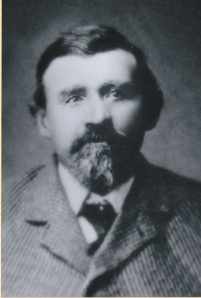
Isaac Newton Phipps
24 May 1845 - 27 Nov. 1911
Son of Isaac Phipps and Mary Eleanor Dean
Lettie Phipps Peterson wrote this life story date unknown. Additional stories were added from a document called, A1979 remembrances by Lettie Phipps Peterson recorded for her son, Wayne.@
[During his life, he went by Isaac Newton Phipps, Jr. because the Smith family had told him he was named after his father. After further research it has been determined that his father did not carry the middle name A Newton, therefore, he should not be referred to as Jr. Since this life story was written without this knowledge, we are leaving the Jr. and Sr. in this version. His birthdate was also found to be 24 May 1845, but he did not know this, so always celebrated on June 18th. His siblings were Sarah Jane, Lemmon Washington, William Harrison, and Enoch Ferman.]
Isaac Newton Phipps, Jr., son of Isaac Newton Phipps, Sr. and Mary Eleanor Dean, was born June 18, 1845, in Slippery Rock, Butler County, Pennsylvania.
He came to Utah when a very small boy with Uncle and Aunt Smith (Joseph and Abigail Smith) reared him after the death of his mother. They came to Salt Lake City and settled in West Jordan. Later they moved to the Dixie Country and resided in a small settlement called Sappi.
They moved to Mt. Pleasant, Utah in 1864. Isaac was one of eight children the Smiths reared B, not of their own. Opal Scoville=s great grandmother, Sarah Clark, was one of them.
Isaac was three years old when his mother died; his brother Enoch was six weeks old. Enoch was given to Uncle and Aunt Smith, but he died in infancy.
One day Isaacs's father brought Isaac to the Smith home and left him in the yard, kissed him, and told him to be a good boy. Never again did Isaac see or hear from his father.
Isaac had two brothers and one sister older than him. The brothers were George Harrison and Lamuel Washington; the sister was Sarah. After moving to Mt. Pleasant, he went away to various places for employment. He returned and was married to Emeline Maria Tidwell on December 24, 1875, by David Candland. Later he went to the Endowment House and was sealed to Emeline. They also had their three oldest children sealed to them at that time. They were Louisa Jane, Mary Eleanor, and Charity Rosalia. Later five other children were born.
When Isaac went to the temple for sealings, he was instructed to take his own name and establish it. Instead of Smith, it was Phipps. After that, he went by both names B Isaac Smith and Isaac Phipps. (In later years Isaac and Emeline received their second anointings in the Manti Temple.)
Isaac was baptized at the age of 8 years, in 1853. He was religious and held the gospel very dear to him. His greatest desire was to live the gospel and have his family do likewise. He wanted them to be religious and to have faith in the gospel. He bore his testimony of its truthfulness often to his children at home. Just a few days before he died, he said, if I could leave my family either wealthy or with a testimony of the gospel, I would leave them a testimony of the gospel. He was active in the church and attended sacrament and priesthood meetings regularly. He was a High Priest and a ward teacher for many years and was a full tithe payer.
When I was a little girl my father would tell me stories while I scratched his head and combed his hair after he had gone to bed. He would do his chores early in the evening and have his supper and go to bed to read. He got up in the morning really early so he was tired.
He told me about a little bird that saved his life when he was a boy. He was plowing for a man and had gone around the field several times. When he came to some bushes he stopped to let the horses rest and he lay down under a bush to rest, too. A little bird came and lit on the bush above his head and then flew and lit on the toe of his shoe and then back on the bush above his head. The bird did this three or four times. The last time he didn=t light on his toe but on the ground by his feet. Father raised up to see where the bird had gone and there was a large rattlesnake all curled up and ready to strike him. Father lay down quickly and rolled out into the plowed ground away from the snake to where he was safe. The little bird saved his life.
When Father was about nine or ten years old he got lost and didn't know which way to go to find his home. He was up in the hills where there were a lot of cedar trees. This was when they were living in Southern Utah. Quite a few Indians were living there and the white people were afraid of them. While Father was up in the hills an Indian came by and Father hid among the cedars until he passed by. When the Indian got a ways off, Father would call out and the Indian would come back. Then father would hide again so the Indian would ride away. This happened two or three times. Father was afraid of the Indian and he was afraid to let him go because he was lost. The last time the Indian came back Father let him see him and told the Indian that he was lost. The Indian put Father on his horse with him and took Father where he could see the town where he lived. This Indian was good and Father was glad he came by and showed him how to go home.
After Isaac and Emeline were married, they moved to Vermillion, which was later named Venice. It was located east of Richfield, Utah. There Louisa Jane, their first child, was born. About one year later they made a trip to Mt. Pleasant to visit Emeline=s parents and the Smiths B John and Jane Tidwell and Joseph and Abigail Smith. After much consideration at that time, they decided to sell their place in Vermillion and move to Mt. Pleasant. Isaac took up a homestead of 160 acres of land half-mile south of the city cemetery on the south side of town and built a log cabin on it. They lived in the cabin while he built a large frame house. There they resided the rest of their lives and the other children were born: Mary Eleanor, Charity Rosalia, Sarah Abbie, Lettie, Isaac Leslie, Leo Raymond, and a baby girl who died at birth.
During the first few years, Isaac raised sheep and cattle. He later sold the sheep and most of the cattle and the land (all but 30 acres). Then he went away from home and found employment for awhile. On returning home, he put part of his farm in fruit trees and small berries B strawberries, raspberries, currants, blackberries, gooseberries, etc. He also raised watermelons, cantaloupes, and many different kinds of fruits and vegetables for the market. He was a successful farmer and a good horticulturist for his day. He also raised some grain, had milk cows and other farm animals. At one time he had a beautiful team of horses and a buggy horse which was the pride of the family. Her name was Bess.
On Sundays crowds of people would come out to the farm to buy fruit and melons. That was a part of their recreation in those days. Ella can remember when we could go out and pick strawberries by moonlight. The berries were large, and the father had the plants in perfect rows. For years he never had to take his produce to market because people would come to the farm to get it. The farm was made into a pretty place, a happy home; and it remained so for years until after father=s death.
The children remember the happy days they spent on the farm and also the work they had to do in helping both on the farm and in the house. I remember the large threshing machine and the big horses that went around and around while the wheat came rolling out of the side of the machine and filled the large sacks. Mother would cook big dinners for the men who ran the thresher. It was a holiday for us children. It wasn=t all work on the farm; there were times for play too.
Father put up a large swing and a merry-go-round for the children. Large crowds of young people would come out from town to swing and eat watermelons. They could see Moroni when they swang as high as the swing could go. (This was Ella=s comment).
When the younger children were in their teens, father bought a hammock and a large lawn swing which the family enjoyed, as did many others. Andrew courted me in the hammock by the light of the moon and in the evening breeze. While clearing part of the land of sagebrush, the younger children would pile up the brush and at night have large bonfires. They would roast potatoes and play outside games by the light of the fire. As soon as the young people in town would see the fire, they would hurry out to join in the fun.
There were nine ranch families who lived neighbors to the Phipps family: Hyrum Branstead, Chris Rassmussen, Arnold Bigler, Jerome Zabriskie, Arthur Averett, Jacob Bigler, Oscar Barton, John Zabriskie, and Willie Winkler. We would have parties and would get together for suppers and then spend the evening playing games.
There was one family that was special friends to the Phipps family. They were the members of the Jacob Bigler family. They had the same number of children in their family as we had in ours and all of us were good friends all their lives.
Isaac learned to play the violin when a boy. He used a violin he made from a gourd until he was a young man and bought himself a violin. He played for many dances which were held in the homes, as well as for other small gatherings for many years.
Father bore his testimony many times of the truthfulness of the gospel and the power of the priesthood to his family. He told of an experience he had once when he was rounding up his cattle west of his home (where the airport is now). While riding fast the saddle turned on his horse, throwing him among the rocks, hitting his head a blow, and breaking three ribs. He said his spirit left his body and went home. He saw Mother raking leaves on the west side of the house as it was the fall of the year. He saw a personage and asked what this was all about. He said your spirit has left your body.@ He could see his body lying on the ground. His thoughts were, AWhat will Mother and the children do?@ He said when his spirit entered his body it was like two trains coming together and every inch of his body tingled with pain especially his head. Some way he managed to drag himself as far as the cemetery where he met a man who took him home. They immediately wanted to send for a doctor, but father said, ANo, just sends for grandfather Tidwell.@ (John Tidwell, Sr. my mother=s father.) They did as he requested; and when John Tidwell gave him a blessing and administered to him, he almost immediately felt his ribs go into place, and within a few days, he was back to work again. John H. Tidwell had great faith and loved the Lord and my father had great faith, too. When he recovered, he related the incident to Mother and asked her if she was raking leaves at the time of his accident. She recalled that she was.
Another time the power of the priesthood was manifested in our home. Rosalia Phipps Tripp (Delmer=s mother) was ill with brights disease when she was about 14 years old. The doctor came out every day and did what he could for her, but nothing seemed to help her. So he quit coming. One day she got much worse and looked as if she would pass away. Father went for the doctor who refused to come out because he said he had done all he could for her. When father came home he said to mother, all the help we can get will come from the Lord.@ I can remember all of the children kneeling down by her bedside while father and mother placed their hands on her head and blessed her. Immediately after taking their hands from her head, she raised up in bed and said, AI am well. I feel like getting up and doing mother=s work.@ In a few days, she was up and well again.
Father died November 27, 1911, and was buried in the Mt. Pleasant City Cemetery. Mother continued to live on the farm and carry on the work until the time of her death February 20, 1926.



 If you double click the photograph to enlarge it, you can see numbers written on each individual.


